Industries
Mould & Die
Cavity work is one-off machining where a single tool failure can cost a week. Reach, rigidity and a finish that reduces bench time are the constraints — cutting speed is secondary.
Hardened steel, deep cavities and finishes that go straight to polish.
- Typical workpiece materials
- 1.2343 / H111.2379 / D21.2738Stavax ESR
What we get briefed on
- 01
Machining 48 – 62 HRC without re-cutting chips
- 02
Long-reach access into deep cavities and ribs
- 03
Blend quality between adjacent toolpaths
ISO material coverage
- H
Hardened materials
Hardened steel 45 – 65 HRC, chilled cast iron
- P
Steel
Unalloyed to high-alloy steel, cast steel
- K
Cast iron
Grey, nodular, malleable and compacted graphite iron
Tooling specified into this sector
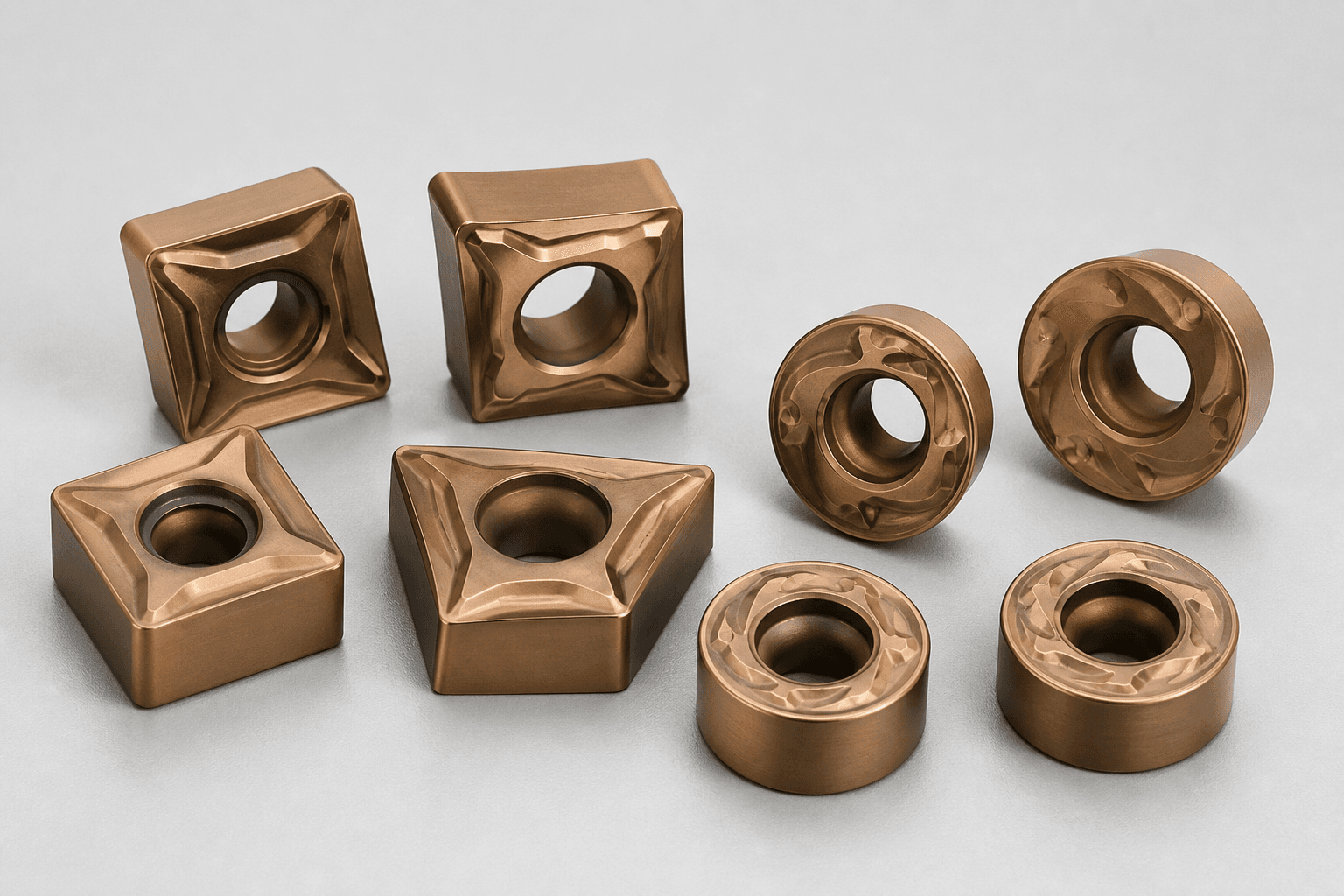 VC-MI
VC-MI- Steel
- Stainless steel
- Cast iron
- Non-ferrous
- Superalloys & titanium
Milling Inserts
Square, round and high-feed inserts for shoulder, face and profile milling.
Indexable insertsView category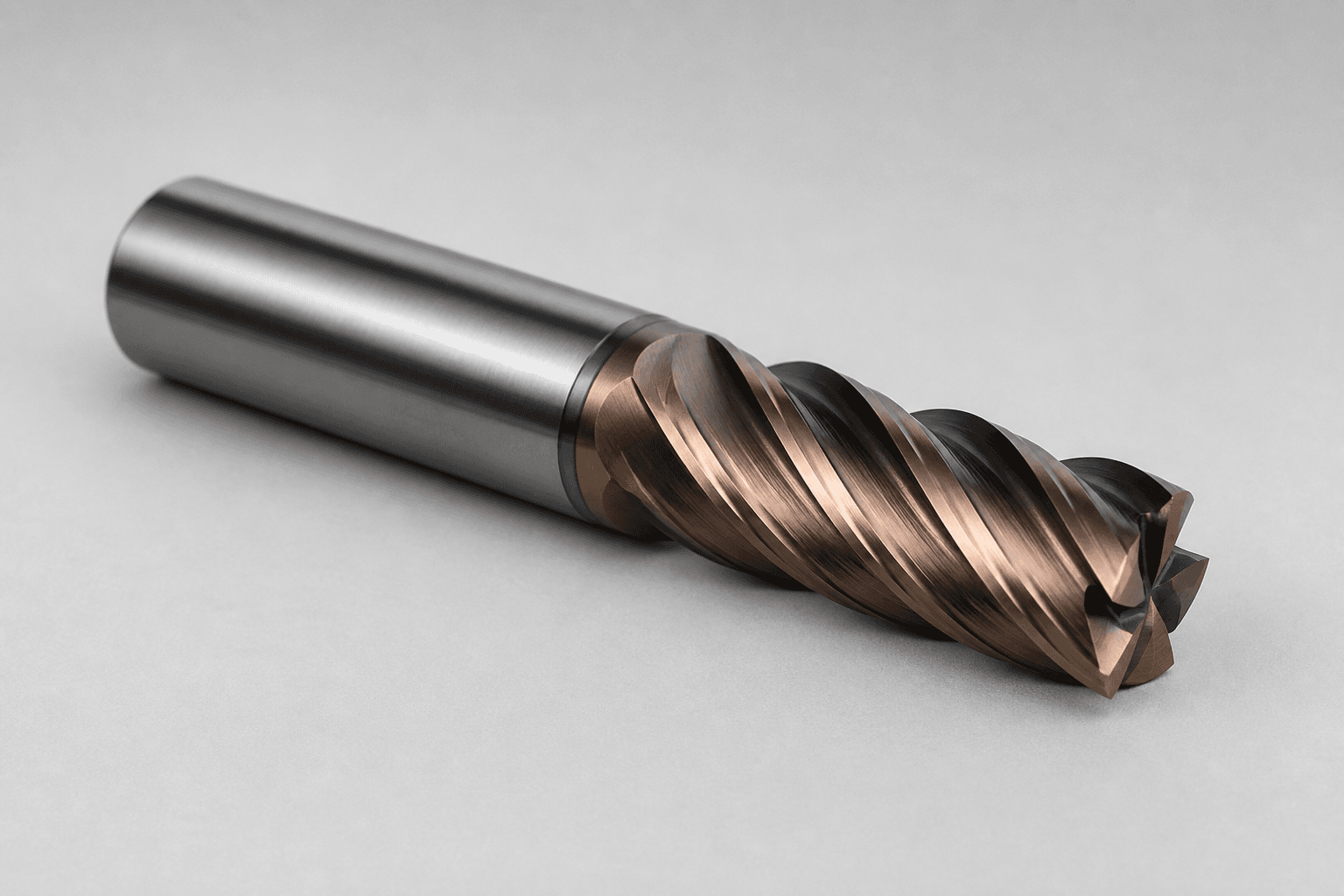 VC-EM
VC-EM- Steel
- Stainless steel
- Cast iron
- Non-ferrous
- Superalloys & titanium
- Hardened materials
End Mills
Solid carbide end mills from 0.5 to 25 mm for slotting, profiling and finishing.
MillingView category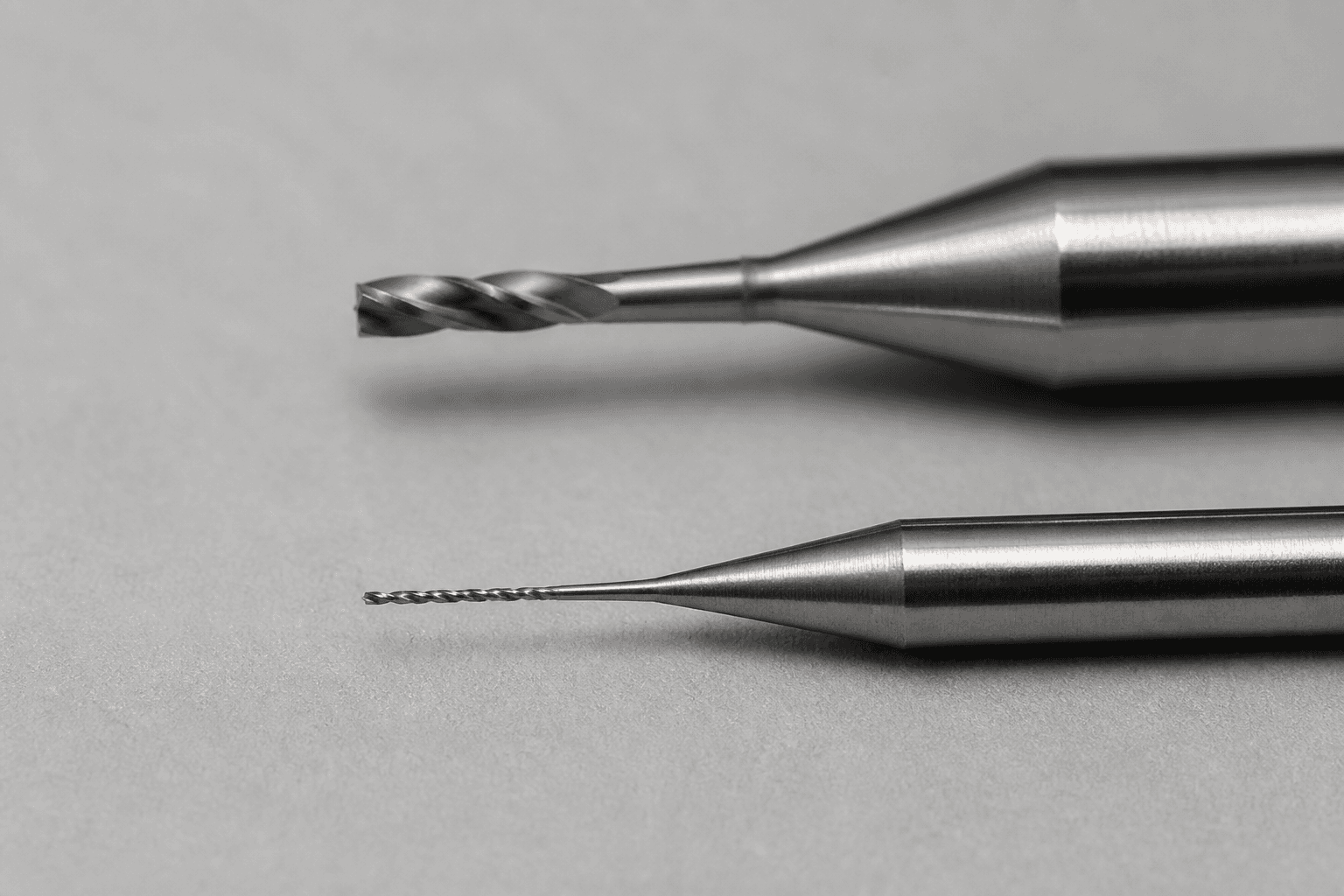 VC-MC
VC-MC- Steel
- Stainless steel
- Cast iron
- Non-ferrous
- Superalloys & titanium
- Hardened materials
Micro Machining Tools
Micro end mills, drills and reamers from 0.1 mm for medical and mould work.
MillingView category
Mould & Die
Working in this sector?
Send us the operation that is costing you the most and we will come back with a specific recommendation.
What you get back
- A specific tool recommendation with the reasoning behind it
- Starting cutting data with the limiting factor identified
- Lead time and pricing against a fixed part number
Technical response within one working day. Monday to Friday, 8:00 AM – 5:00 PM CET