Setting a tool-change interval you can leave running overnight
Unattended running does not need a longer tool life. It needs a tool life you can predict, and a rule for what happens at the end of it.
The operator who used to hear a tool going off was doing quality control. Remove the shift and that job has to be done in advance, by arithmetic. The question is no longer how long a tool lasts but how tightly that number is distributed.
Mean life is the wrong number
A tool averaging 340 parts with a spread of ±20 is more useful than one averaging 500 with a spread of ±180. The first can be changed at 300 and never surprise you. The second has to be changed at 320 to be safe, which throws away more edge than the first one ever had.
Distribution is a property of the tool and of the process together. The parts of it you control:
- Lot-to-lot consistency of the tool itself — geometry, edge preparation and coating thickness measured, not assumed.
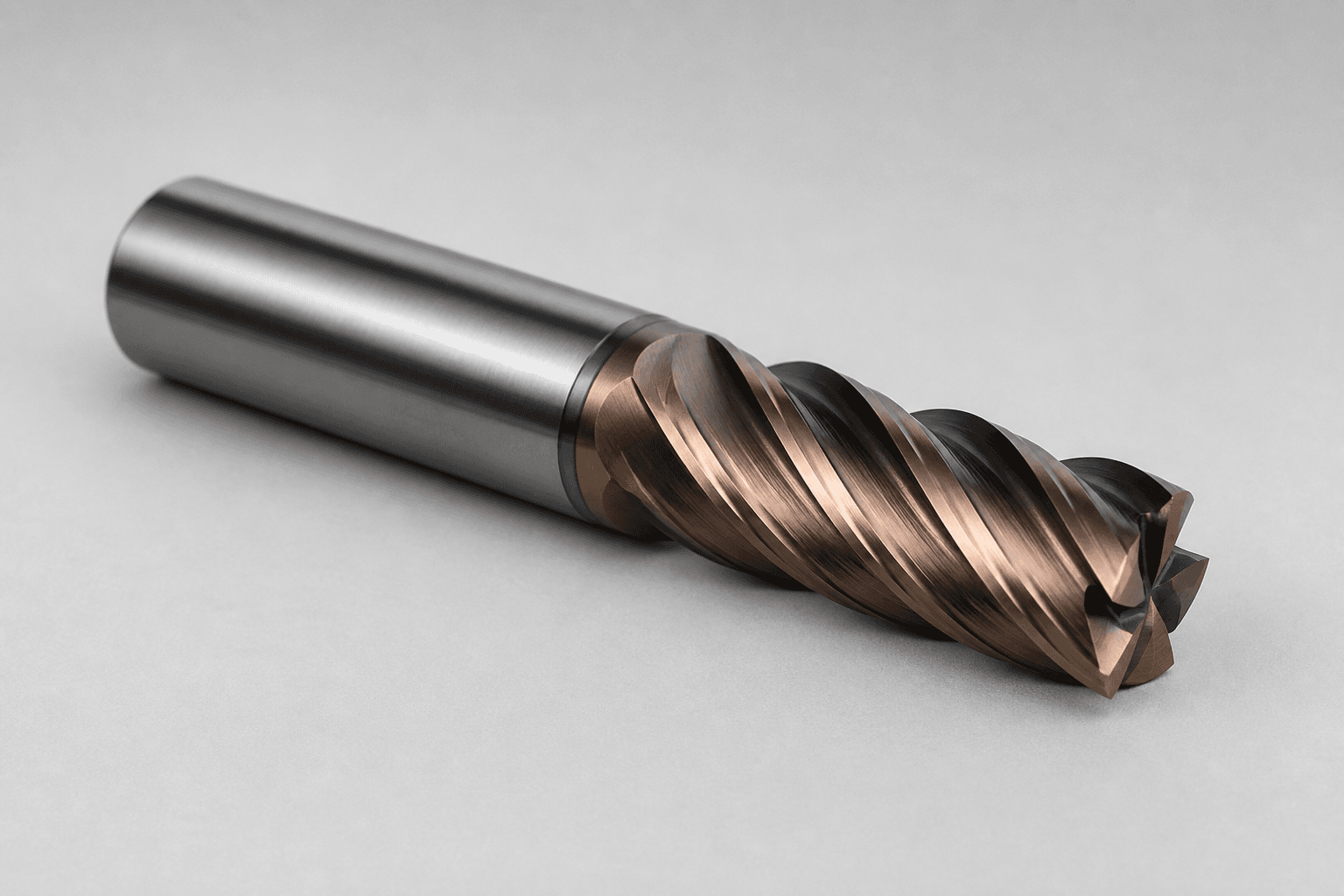
- Runout at the cutting edge. Two microns of runout on a four-flute cutter means two flutes are doing the work of four.
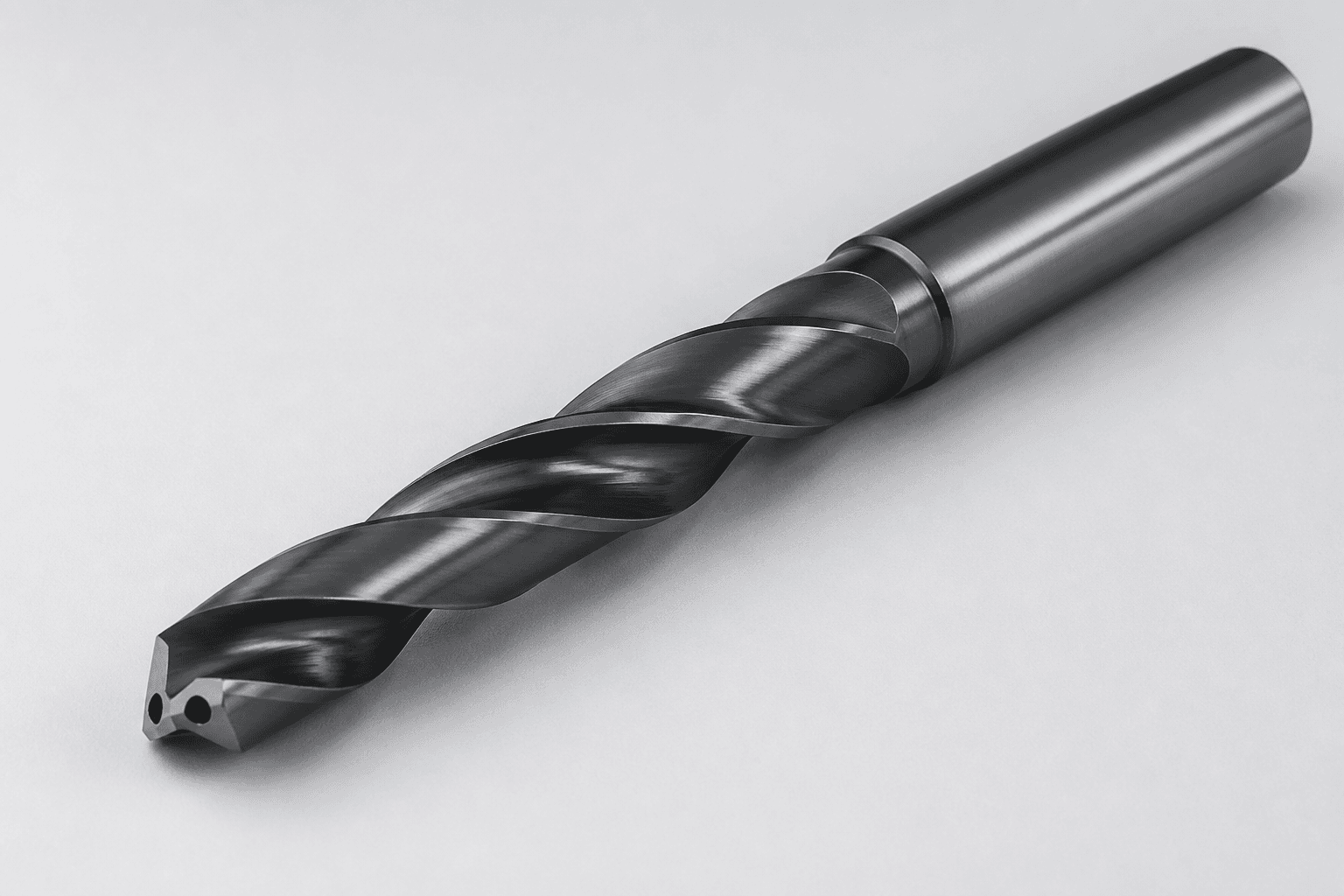
- Coolant reaching the edge at pressure, every cycle, including the first one after a pause.
- Stock variation on the incoming part, which is the single largest uncontrolled input on most castings.
Build the interval from measured edges
Run twelve edges to genuine end of life under production conditions, not on a test bar. Record the count for each. Take the lowest of the twelve, not the mean, and set the interval ten per cent below it. That is a number you can leave running, and it is usually within fifteen per cent of what a careful operator was achieving manually.
An interval set from the worst edge you measured will cost you a few percent of tool life. An interval set from the average will eventually cost you a night of production.
Decide what happens at the end
The interval is only half the rule. The other half is the machine's response: sister tool, controlled stop, or finish the current part and hold. Whichever you choose, it has to be programmed before the first unattended shift rather than discovered during it.